


Welcome to Issue No. 044 of Sojourn. An independent platform for hotel identity.
The last two issues have been circling the same problem.
Issue 042: the GM is the most important identity decision a founder makes, and the industry almost always hires for the wrong version of the job. Issue 043: four patterns that quietly but surely unmake a hotel's identity, each one with good intention yet none of them obvious, all of them happening in the same absence.
This issue is about the frame itself.
In today’s Sojourn:
Why a brand manual is not an identity brief and what the difference produces.
What the brief actually contains: five components most hotels never put into language.
The cases: Coqui Coqui, Palazzo Daniele, and Jnane Rumi — three briefs, three mechanisms, three different levels of risk.
New to Sojourn? Start here. Everything else is in the archive.
The Visible Layer
This week: David Dumon
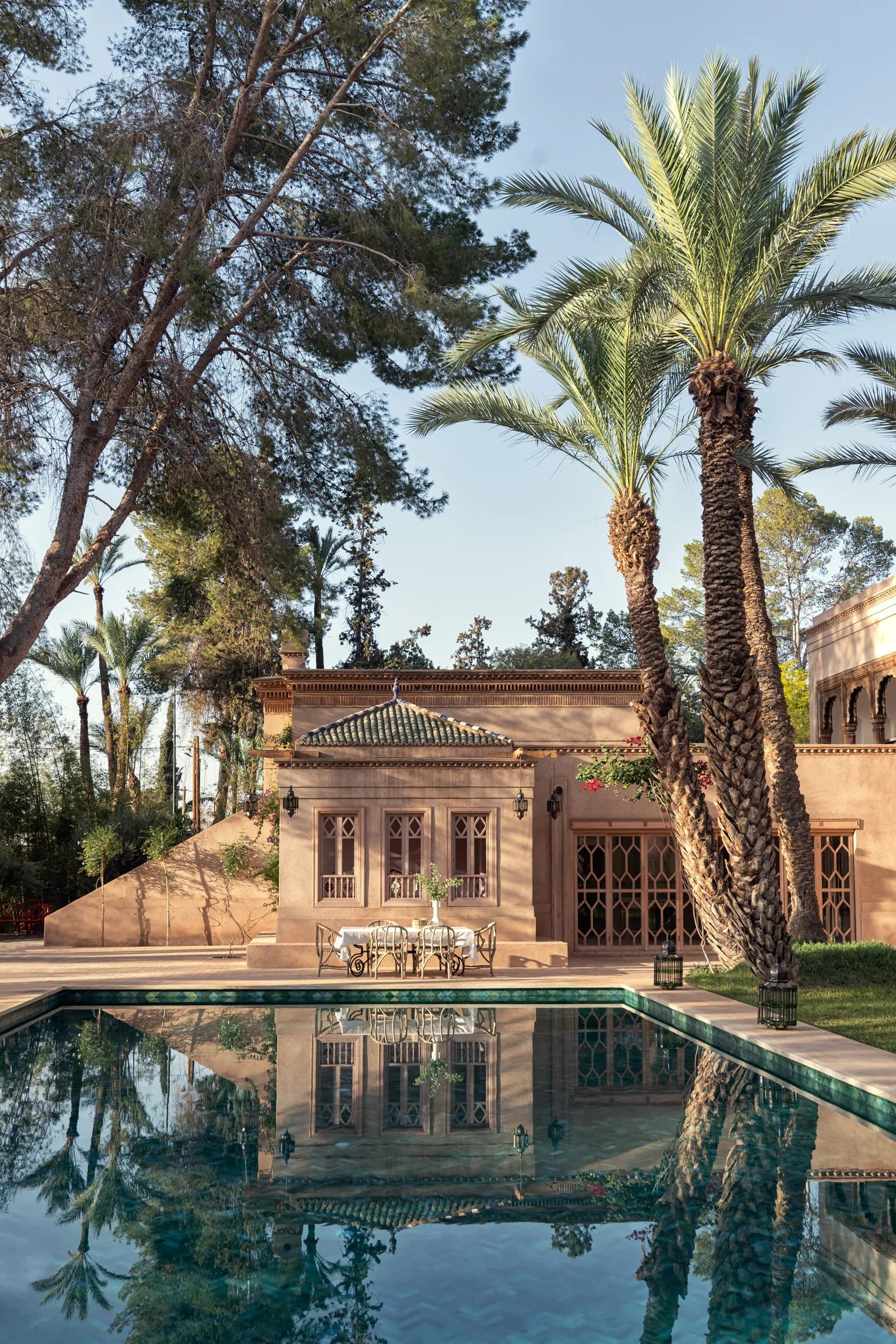
David Dumon is a Belgian photographer whose work sits at the edge of interior and fine art photography — cinematic in feel, specific in attention, built around the atmosphere of a space rather than its documentation. He was brought in to shoot all the photography for Jnane Rumi, which is where his work first came across my radar.


What his images of the hotel do is hold the brief visually. The light in the tea room. The zellige tiles in shadow. The layering of objects… European antiques against Moroccan arches, Samy Snoussi’s gold ceiling fresco above a quietly placed chair. A photographer who can read a hotel’s brief and translate it into image is doing something close to what the GM needs to do: hold someone else’s specific worldview faithfully, without flattening it into something more legible to a broader audience. Dumon doesn’t shoot for broad legibility. He shoots for accuracy, to the feeling of the place, not the inventory of it. That’s a brief he carries into every project.
Interpretation
Most hotels give their GM a brand manual. Yes, some of them are thorough: logo usage, color palette, tone of voice guidelines, photography direction. A well-designed ‘brand manual’ can be a real document… considered, detailed, genuinely useful for the marketing team + brand communications function.
It is not an identity brief.
A brand manual answers one question: what does this hotel look like? An identity brief answers a different one: what is this hotel, specifically enough that the person holding it can make a call the founder would have made, without the founder being in the room.
The brief is the document most identity-led hotels need and almost none have. Its lack of absence is why a reasonable GM can make four years of individually defensible decisions and produce a place that no longer reads like itself.
The brief isn’t long. It doesn’t need to be. But it has to answer five questions the brand manual doesn’t ask.
