


Welcome to Issue No. 045 of Sojourn. An independent platform for hotel identity.
This issue starts a new arc.
The last three have been about the hotel: the GM, the erosion, the brief. Today the lens flips. Not the operator’s side of the identity question, the traveler’s.
In today’s Sojourn:
The gap between what travelers say they want and what they’re actually seeking.
Why that gap is structural, not personal, and what it costs.
Three hotels that meet the unstated need. Three different needs, three different mechanisms.
Read previous issues of Sojourn here.
The Visible Layer
This week: Rinko Kawauchi
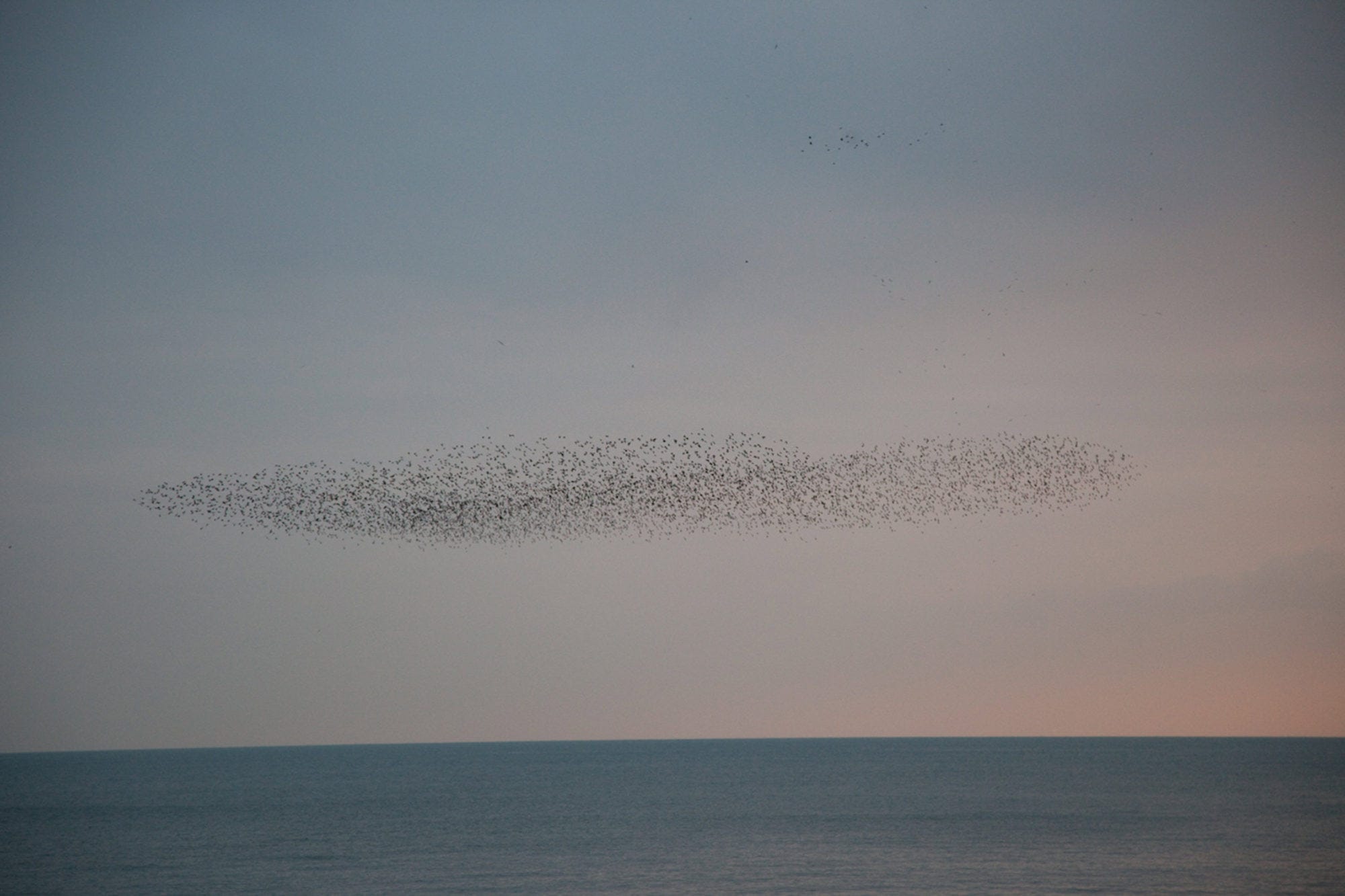
Rinko Kawauchi is a Japanese photographer whose work has nothing to do with documentation. She photographs a geyser erupting beside a figure too small to register its scale. Flowers in a glass on a white surface. Sparks raining onto a body standing still in the dark. A woman with a white umbrella turned away from the viewer in fog. She finds the sensation inside the ordinary and the elemental both… the feeling of a moment rather than the record of it. You look at a Kawauchi photograph and feel something before you understand what you're looking at.


That is exactly the problem this issue is trying to name. Travelers arrive at a hotel seeking something they often can’t articulate… a quality of light, a pace, a feeling of being in the right place at the right time. Kawauchi photographs that kind of knowing. Her lens is tuned to the thing you feel before you have a word for it. The connection to hotel discovery isn’t incidental, it’s structural: if you can’t name what you’re looking for, no search box can find it. But the right place can still deliver it, and the right photographer can still document it. Find Rinko Kawauchi’s work at rinkokawauchi.com.
Interpretation
When someone searches for a hotel, they type a city and a date. Sometimes a price range, a neighborhood. What they almost never type is what they’re actually looking for… because what they’re actually looking for is much harder to name.
Not a room. Not a pool or a restaurant or a gym. A state. Something about how they want to move through the next three days, how they want to feel when they wake up, what they need more of and what they need less of. The search box can’t understand that. So they translate it into something the system can process instead.
The translation is always partial, and the gap between what was searched and what was needed is where a lot of travel goes wrong.
