


Some hotels are conceived as finished ideas. Family hotels are different. They evolve one room, one season, and one returning guest at a time...
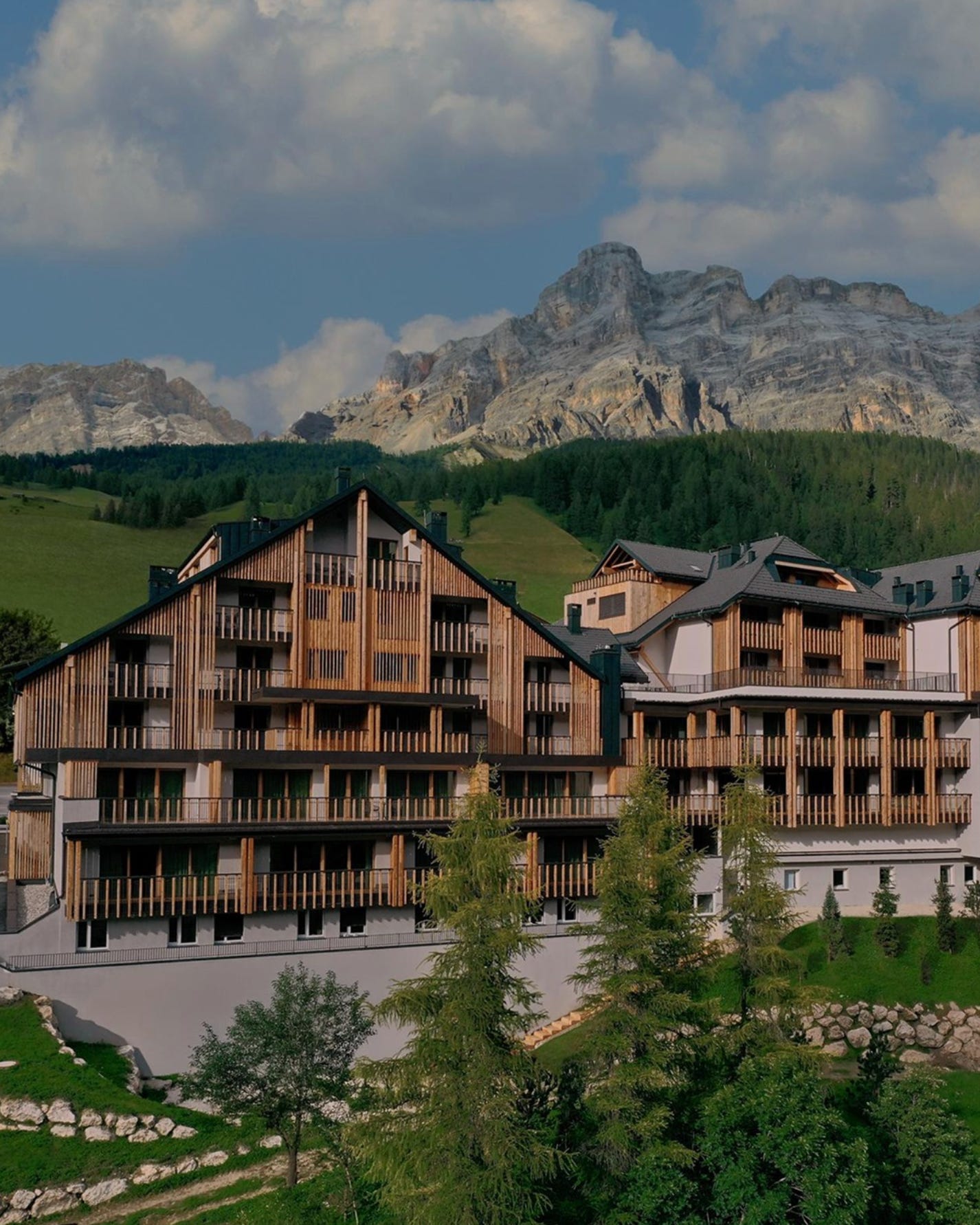
Rosa Alpina has been evolving since 1939, when Hugo Pizzinini’s grandfather took over a small inn in San Cassiano, in Italy’s Dolomites. Over three generations, the Pizzinini family transformed it into one of the region’s defining hotels while continuing to ‘live inside’ it, work alongside its team, and welcome guests who returned year after year.
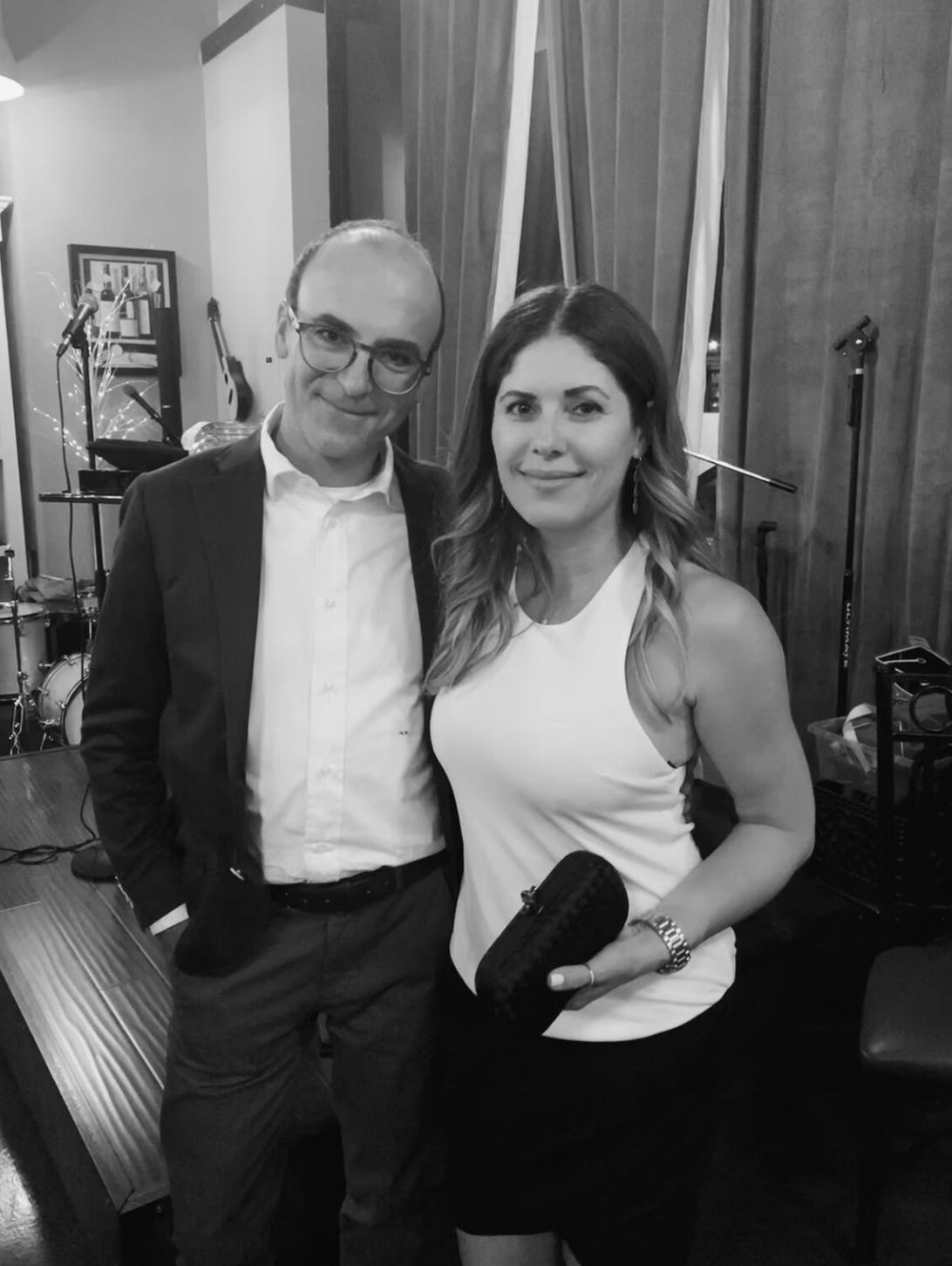
I first met Hugo at a Virtuoso event in Shanghai and later reconnected with him in Las Vegas. What stayed with me was how he spoke about the property, but above all about its guests—in names, not numbers. Rosa Alpina seemed to have been designed around return rather than arrival.
Today, the hotel has entered a very different chapter.
Following an extensive transformation, Rosa Alpina reopened as Aman Rosa Alpina. Aman now manages the hotel, while the Pizzinini family remains actively involved in its daily life: Hugo serves as Managing Director, and Ursula as Director of Marketing and Communications.
The transition raises a question confronting many independent hotels: What happens when a property built through family memory, personal presence, and accumulated imperfection becomes part of a global luxury brand?
Hugo’s answer is neither nostalgic nor defensive. The previous hotel will not be recreated. Some longtime guests have embraced the transformation, others have not. Prices have changed. Expectations have changed. A new community of returning guests is already forming.
For Hugo, continuity does not mean keeping everything the same. It means carrying the family’s understanding of hospitality into a hotel that is willing to become something new.
1. You grew up inside Rosa Alpina. What is your earliest memory of realizing that it was not simply your family’s home or business, but a place that held meaning for its guests?
We grew up with our guests and their children because they came every year.
I never really thought of Rosa Alpina as something more than a regular hotel. Our entire area is made up of family-owned and family-run businesses. Everyone in the village shares the same problems, the same rhythms, and the same time off during the low season. To us, this way of life felt normal.
2. You once described Rosa Alpina as ‘a conglomeration of ideas’—not a perfect hotel, but a family hotel. What did its imperfections contribute to its identity, and was there anything about the previous hotel that guests loved precisely because it was imperfect?
There is an entire chapter to be written about this.
Our hotel was an ‘old lady’ with advantages and disadvantages. Guests came from different parts of the world, and they naturally had different expectations of luxury.
Italian guests, for example, generally did not care about air conditioning; American guests did. An Italian breakfast might be a coffee and something sweet, but we had to adapt and offer a full breakfast menu.
We had many imperfections, but those imperfections helped us understand how to plan the new hotel.
3. What did you learn about hospitality from your father that could never have been taught in a hotel school or expressed in an operating manual?
When I finished my apprenticeship at a hotel in Germany, I discovered that my father had bribed the restaurant manager to put me in charge of the worst jobs: early shifts, cleaning duties, and all the things waiters in a restaurant usually hate doing.
He also always told me to visit—and, if possible, stay at—the best hotels in the world. You only learn from the best.
4. Before Aman entered the picture, what question about Rosa Alpina’s future were you trying to answer? What made Aman feel like the right partner for the hotel and for your family?
Rosa Alpina was doing very well. We had a great team, wonderful guests, and fantastic reviews.
But if you do not move forward, you become lazy. You start believing you are already good enough.
Together with my wife, Ursula, I was always looking for ways to improve what we did. Aman was—and remains—the right partner. It has great people who know the business and understand how to pamper guests and make them feel special. The offer came from Vlad Doronin to partner with Aman.
5. For clarity, how would you describe the relationship between the Pizzinini family and Aman today? What responsibilities and decisions remain with the family, and what has Aman taken on?
Aman manages the hotel. The Pizzinini family remains here throughout the day.
What we want to transmit to our guests is the feeling of our mountains. Our mission is to encourage them to explore the Dolomites properly and authentically, away from the usual hotspots.
6. When the transformation began, which elements of Rosa Alpina did you consider non-negotiable? Were there particular rituals, spaces, relationships, or qualities of atmosphere that you felt had to survive?
We had very constructive conversations with Aman.
We discussed having a restaurant used specifically for breakfast and creating the children’s areas properly, based on our own experience of having three children. We also thought carefully about the procedures and flow of the ski lounge, and about the different needs of skiers, hikers, and cyclists.
Our experience with the previous hotel helped shape the new one.
I learned something every day, whether from Aman or from the architects at Denniston, who specialize in luxury hotels.
7. Aman has a recognizable language of design, service, and serenity, while Rosa Alpina developed its character gradually over several generations. Where did those two identities fit together naturally, and where did they require negotiation or compromise?
Aman and Rosa Alpina already had many things in common.
Aman brought design expertise and generosity of space. We brought a three-generation heritage that needed to be maintained.
There was very little to negotiate. Most of our discussions concerned practical realities: snow, ice, snowploughs, and the way a mountain hotel must function in winter.
Aman also taught me to appreciate ideas we had not previously considered, such as the outdoor swimming pool.
8. A family hotel often creates intimacy through the owners’ physical presence, personal memory, and informal relationships with guests. Can that kind of hospitality be preserved within a global luxury brand? What can a family remember or understand about a guest that an institution cannot?
