


Welcome to Issue No. 052 of Sojourn. An independent platform for hotel identity.
Hotels have never known more about their guests.
A returning guest’s ‘preferred room’ can be recorded. So can the temperature they selected, the wine they ordered, when they requested breakfast, and whether they asked for feather-free bedding.
Nowadays, with AI, loyalty systems, connected profiles, and real-time analytics, the industry is moving toward an experience in which much of a stay can be adapted before the guest has to ask.
We call this personalization.
As a guest, I know that much of it is valuable. Remembering can create connection. Anticipation can remove effort. Recognition can make a returning guest feel that their relationship with a hotel did not simply disappear when they checked out.
But I think we are beginning to confuse knowing more about a guest with understanding them.
Those are not the same thing.
A hotel can remember everything someone preferred during their last stay and still fail to notice who has ‘arrived’ this time.
The room may be set to the right temperature, the bubbles may be waiting, the welcome note may use their name. And yet the guest may still feel entirely unseen.
Here today:
• What personalization gets right.
• What noticing asks of a hotel.
• And why the distinction matters.
Here’s what I’ve been thinking.
The Visible Layer
This week: Ana Barros
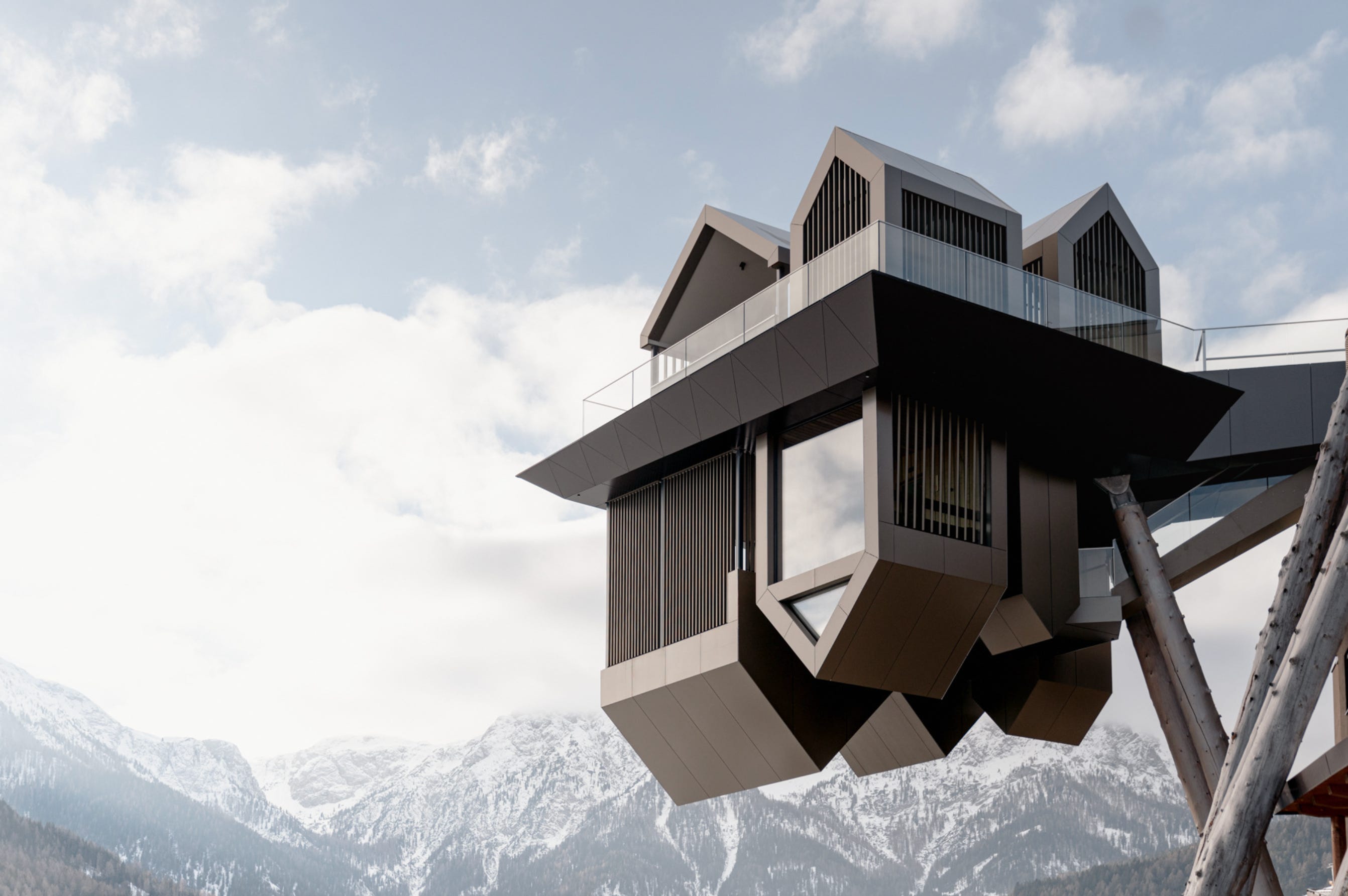
A hotel can be ‘perfectly’ photographed and still not be seen.
The bed is perfectly made, the furniture, materials, dimensions, and view are all spot on. The image shows us what the hotel has, but it may not tell us what the place feels like.
Ana Barros is an architect, photographer, and creative director based in Austria. Her portfolio includes The Hoxton Vienna, Straubinger Grand Hotel, Badeschloss, and Rooms by Wolfensson, alongside architecture and interiors around the world.
Her architectural background gives her an understanding of structure, but her photographs are rarely just about that.


Light moves across walls, shadow blocks the geometry of a room, materials look softer and more ‘reachable’ than they might in a conventional architectural image.
Instead of showing only what has been designed, her work reveals what emerges when light, material, atmosphere, and time begin interacting with it.
That difference matters.
Most hotel photography is designed to provide information.
What does the room look like?
How large is it?
What is included?
What amenities will the guest receive if they book?
All of that is important, but an image can contain every visible detail and still leave the hotel’s identity invisible.
Barros’s photography becomes an interpretation, tt does not only say:
This is the room.
It asks:
What is this room capable of making someone feel?
The same distinction exists in hospitality.
A hotel can collect a complete picture of the guest, the equivalent of photographing every object in the room, and still miss what is happening within the person.
Noticing is not about gathering every available fact, it is about recognizing when the relationship between those facts becomes meaningful. Let’s interpret that!
Find Ana Barros’s work at anabarros.studio.
Interpretation
What personalization is becoming
Personalization is quickly becoming one of hospitality’s central promises…
The ambition is no longer simply to greet a returning guest by name or remember their preferred room. Hotels increasingly want to connect information across the entire guest journey: booking behavior, loyalty history, previous requests, spending patterns, dietary needs, arrival details, and interactions during the stay.
The language is shifting from personalization to hyper-personalization and real-time, automation.
The promise is an experience that continuously adapts to the individual.
A relevant offer appears at the right place at the right time.
The room anticipates a preference.
The hotel recommends what the guest is most likely to enjoy.
A request does not need to be repeated because the system already remembers.
This can make hospitality more responsive, automated.
But it can also create the impression that a hotel understands the guest simply because it has become better at predicting them.
Prediction is not understanding.
And a preference is not a person.
What personalization gets right
Personalization understands that repetition is work.
A guest should not have to explain the same allergy, accessibility requirement, family need, or basic preference every time they return.
Remembering can be a form of respect.
Personalization also recognizes that relevance matters.
I’ve been sharing lately that not all hotels are created equal, because neither are we. Not every guest wants the same room, restaurant recommendation, welcome ritual, pace of service, or amount of interaction. Treating everyone identically is not necessarily the same as treating everyone well.
And it understands that hospitality is relational.
A returning guest may not want every stay to feel like a first meeting. Continuity can make a hotel feel less transactional and more human.
These are meaningful improvements.
But personalization is most valuable when it supports attention, not when it replaces it.
What noticing actually is
Personalization asks:
What do we know about this guest?
Noticing asks:
What is happening with this person now?
The difference is the present tense.
The guest who asked for conversation and recommendations on their last visit may arrive this time wanting very little interaction.
The person who usually orders bubbles may be traveling for a difficult reason.
The guest who always requests the same room may be ready to experience something different.
Human beings are inconsistent because life is inconsistent.
We arrive carrying circumstances a guest profile may not contain.
Noticing is the ability to perceive what the available information cannot fully explain.
It is the front-desk host who recognizes that efficiency matters more than conversation tonight.
The server who senses when detailed attention would feel like pressure.
The housekeeper who observes how the room is actually being used.
The concierge who realizes that the guest does not need another itinerary but permission to leave the day unplanned.
Noticing does not always lead to doing more.
Often, it means knowing what not to do.
What personalization turns noticing into
Once attention becomes a system, it has to become legible.
Preferences must be recorded. Behaviors must be categorized. Signals must become data.
The guest who once ordered a particular wine becomes someone who prefers that wine.
The guest who booked a spa treatment becomes a wellness traveler.
The person who requested a quiet table becomes someone who values privacy.
A moment becomes an identity.
