


Welcome to Issue No. 022 of Sojourn. An independent publication delivering strategic interpretation for leaders shaping the future of travel and hospitality.
Good morning and happy Tuesday everyone,
Quick note: if you’re new here, or want to catch up on the best of Sojourn, I’d recommend that you start here.
For today’s issue: something has shifted in how people describe what they’re looking for when they travel. It used to be about what a place offered: the restaurant, the pool, the rooftop, the spa. Now I hear a different word more often than any other. Relief. They want to feel relieved when they arrive.
Interpretation: For a long time, premium hospitality signaled value through stimulation: more to do, more to see, more to experience. That logic made sense when travel was still a break from ordinary life. But ordinary life has changed. It’s faster, louder, and more demanding than it used to be. What people are carrying into a stay now is a level of depletion that stimulation doesn’t fix. What fixes it is ease. Calm. The sense that nothing here requires effort. That shift is changing what luxury actually means, not as an aesthetic position, but as a felt experience.
The brands catching up to this fastest aren’t necessarily the quietest ones. They’re the ones that have understood the difference between offering calm and performing it.
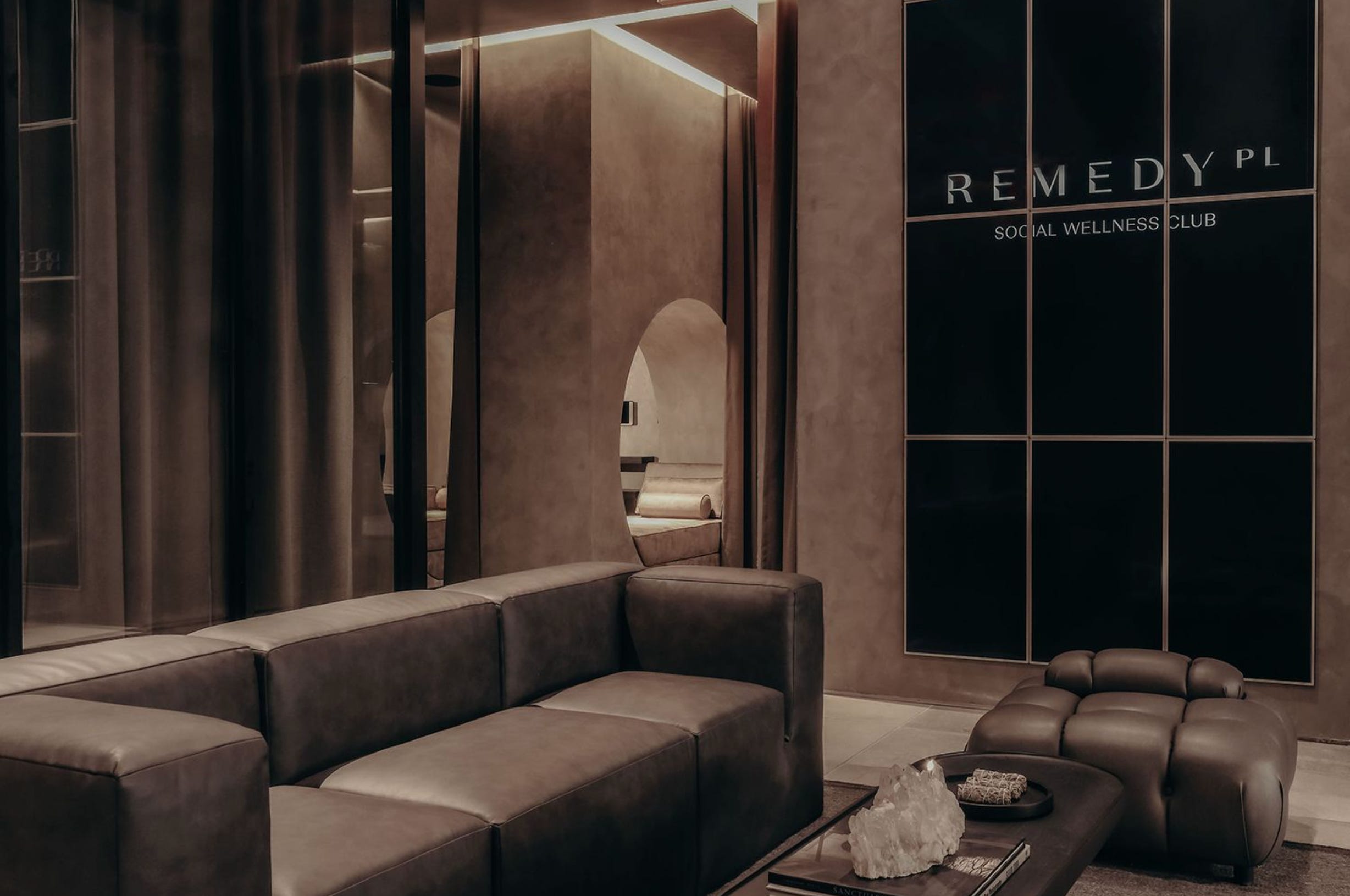
What this looks like in practice: The stays and programming people describe as genuinely restorative tend to share a few things. Arrivals that don’t create decisions. Spaces that don’t demand attention. A pace and space that slows down naturally rather than by instruction. Nobody is telling the guest to relax, the environment just makes relaxation the default. That’s a design and operational choice, not a category. You can find it in an urban social wellness club as easily as a remote retreat. The question is whether the brand has been deliberate about it.
What’s changed is that guests are now actively seeking this out before they book. Calm has moved from a nice-to-have to a deciding factor. And in a market where most properties are still competing on stimulation, the ones offering genuine ease are standing out without having to say very much.
What it means for brands: Ease is harder to build than it looks. It requires a clear decision about what not to include – which features to leave out, which options to remove, which moments in the guest journey to simplify rather than embellish. Basically, how calm, grounded, or open they became in a space. That kind of editing is a confidence move. It says: we know what we are, and we trust that it’s enough.
The brands that get this right don’t advertise calm, they create it. And guests who find it tend to return for it, because it’s genuinely rare.
Paid subscribers, the inbox is open. Questions, follow-ups, or a topic you’d like me to look at — reply to any issue. I read every email.
Bottom line: Premium used to mean more. Increasingly, it means less, but the ‘right’ less. The properties that understand this aren’t stripping back for aesthetic reasons. They’re responding to something real in how people are arriving and what they actually need when they get there. Relief is the signal. Ease is the product. The brands that figure out how to deliver it consistently are building something that’s hard to replicate.
What are you noticing in how guests are arriving, and whether the experience you’re offering is meeting them where they actually are?