


Welcome to Issue No. 018 of Sojourn. An independent publication delivering strategic interpretation for leaders shaping the future of travel and hospitality.
I keep noticing this at properties that get talked about as ‘impressive.’ There’s a spa, a rooftop, a curated minibar, a morning ritual, a wellness menu, an in-room scent program, and a turndown sequence that involves three separate steps. Each element is well-considered. None of them are the reason anyone came back.
Interpretation: For decades, hospitality operated on a simple equation: more features equal more value. Adding amenities was how you justified the rate, signaled quality, and differentiated from the competition. The logic worked because abundance was still relatively rare. When most properties had little, the one with more stood out. That moment has passed. The most desired stays today aren’t the ones that added the most. They’re the ones that had the discipline to stop.
The shift isn’t about minimalism as an aesthetic. It’s about mental noise. When a guest arrives to find fifteen things competing for their attention before they’ve even set down their bag, the experience doesn’t feel luxurious. It feels like a new set of decisions to manage. Hospitality that was meant to offer relief has inadvertently created a second layer of stimulation to navigate.
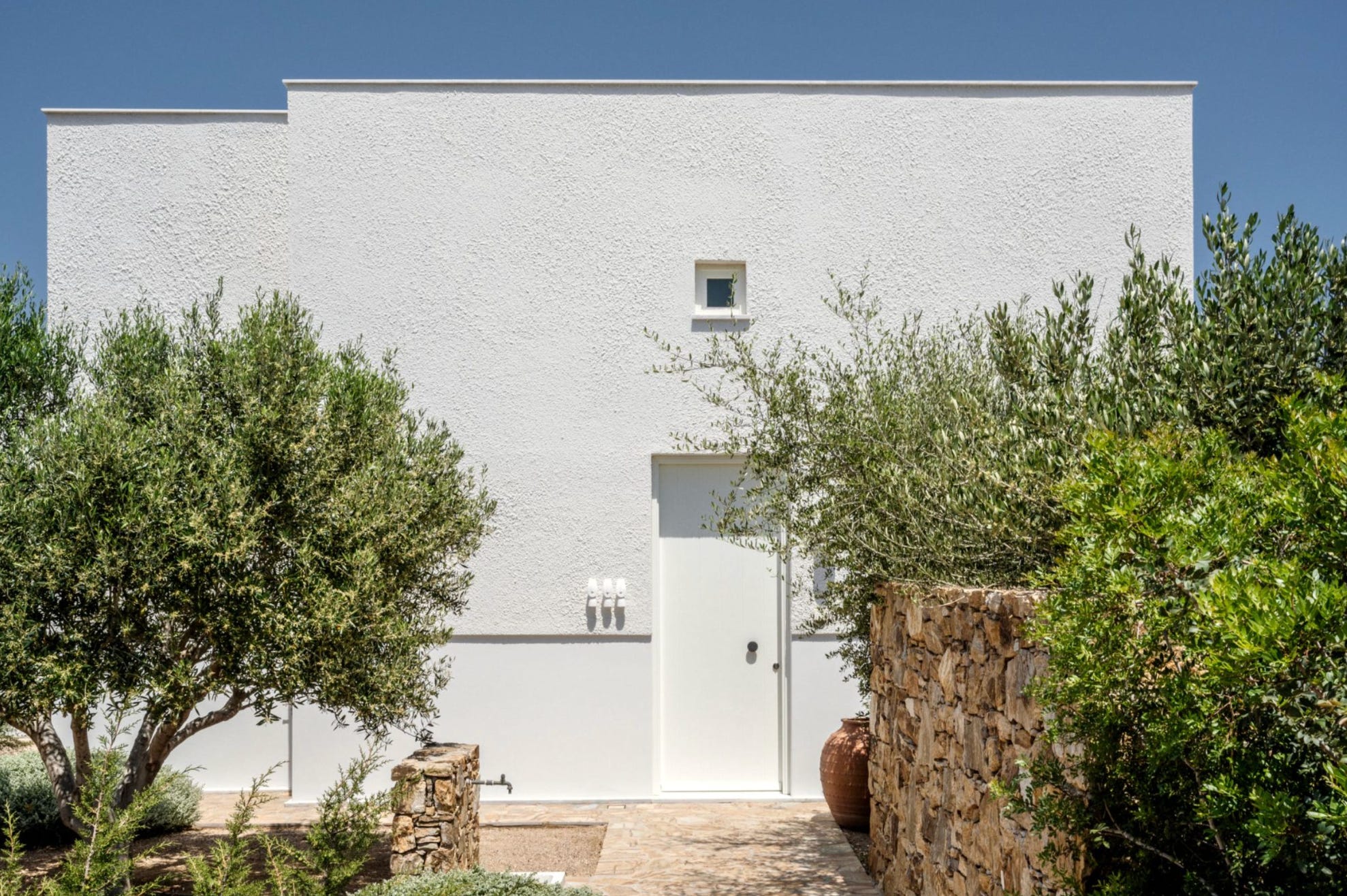
What travelers are responding to instead: The properties generating the strongest word-of-mouth right now tend to share a specific quality — not what they offer, but how quickly a guest stops thinking about what’s on offer. Clarity of atmosphere. A pace that doesn’t require management. Spaces that don’t ask anything of you the moment you enter. That’s not a design trend. That’s friction removal. And in an overstimulated world, friction removal has become indistinguishable from luxury.
What this means for brands: The accumulation model carried a hidden cost that’s now becoming visible. When a property adds a feature, it also adds a decision. Do I use the sauna or the pool? Do I book the experience or leave it open? Do I eat at the restaurant or explore outside? Each of these is small. Together they erode the very thing people traveled to find. The brands that protect against this aren’t the ones offering less, they’re the ones making choices on the guest’s behalf, confidently and in advance, so the guest doesn’t have to.
That’s a different kind of hospitality intelligence. Not curation in the marketing sense. Curation as an operational commitment to protect the guest’s attention from the moment they ‘arrive’.
Bottom line: Adding features signals effort. Removing them signals confidence. The stays people remember aren’t usually the ones with the most to offer. They’re the ones where nothing got in the way.
Are you seeing this in how guests respond, the things they mention versus the things they don’t? I’d be curious what’s actually registering.
Paid subscribers, the inbox is open. Questions, follow-ups, or a topic you’d like me to look at — reply to any issue. I read every email.