


Welcome to Issue No. 037 of Sojourn. An independent platform for hotel identity.
Happy Thursday from my corner of the world to yours,
Thank you for the incredibly kind feedback on Sojourn's new format, and for the notes that came in about Matteo Milan's Visible Layer feature. He truly has a trained eye.
In today’s Sojourn:
Why refusal is the most underrated form of brand-building in hospitality.
The structural cost of a brand that says yes to everything, and how it shows up in guest behavior.
Why the strongest hotels operate from an implicit ‘no list,’ not just a yes list.
For more, read previous issues of Sojourn here.
The hotels I think of as ‘unmistakable’ have something in common, and it isn’t the menu or the design. It’s the list of things they don’t do.
They don’t host certain events. They don’t accommodate certain requests. They don’t add amenities just because the segment has them. They refuse, often quietly, and the refusal is doing more identity work than most of their visible choices.
That’s what this week’s interpretation goes into.
The Visible Layer
This week: Sara Montalbano and Konstantinos Maximiadis from Montalbano Maximiadis — for Aman Venice
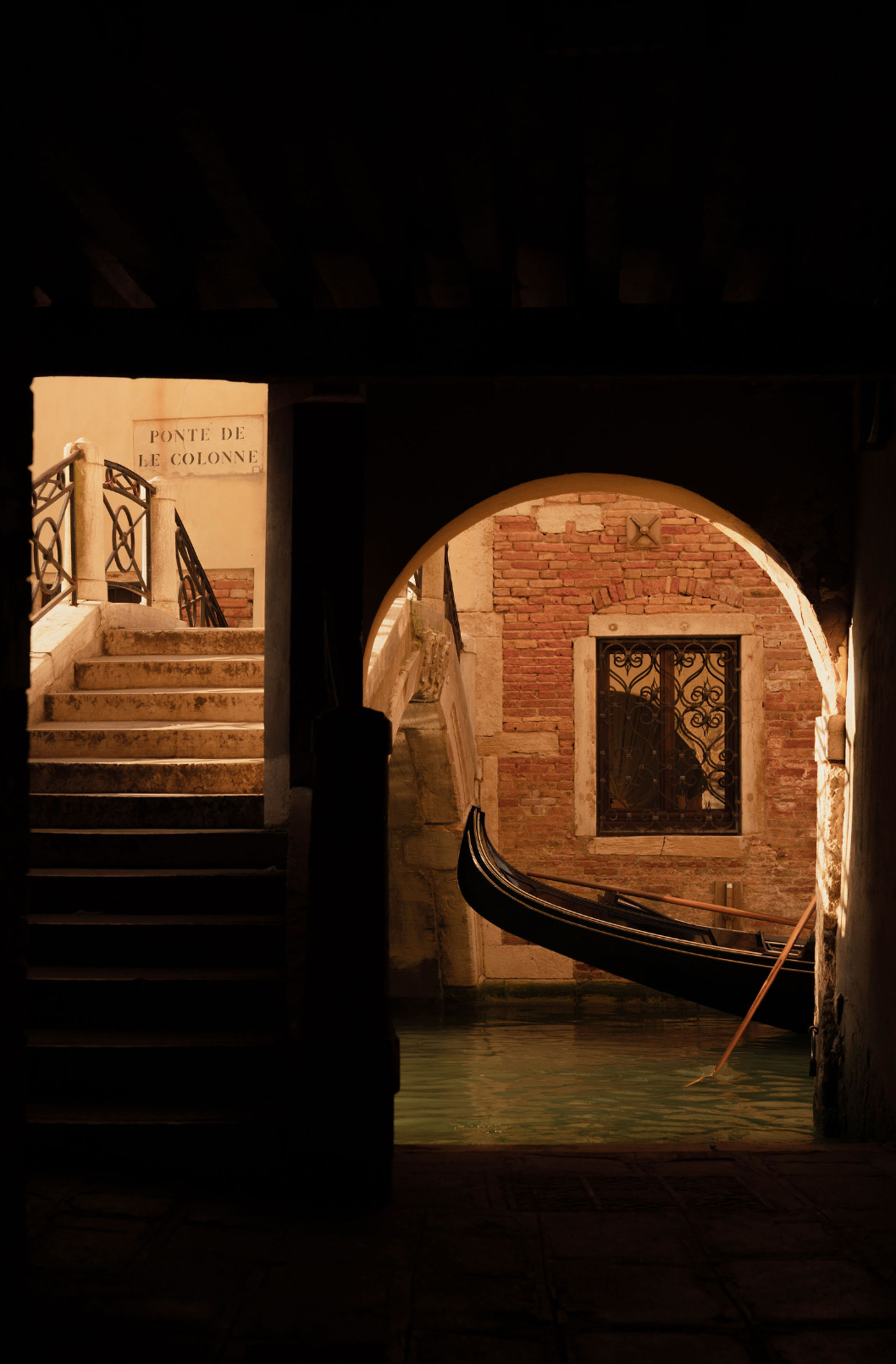
Most heritage hotel photography tries to ‘inventory’ the place. Every gilded ceiling. Every chandelier. Every reason it costs what it costs. Sara and Konstantinos’s doesn’t. They give you a hand on a piano. The wake behind a wooden boat. A shadow cut through stone. A coupe drifting across a fresco. The palazzo stays mostly out of frame.


That’s why it belongs to Aman.
The brand has been disciplined about what it says no to for over thirty years – no logos competing for attention, no activations multiplying the calendar, no proliferation of formats. The photography practices the same discipline. It refuses to over-explain. It trusts the viewer to fill in what’s been left out.
That’s how Aman Venice gets read as Aman – not by showing you everything it has, but by showing you only what it needs to.
Interpretation
Most hospitality brands frame themselves through what they offer. The amenities, the experiences, the levels of service, the places they say yes. That’s the visible part of identity. There’s another part underneath, doing more of the structural work – what the brand refuses.
The hotels with the clearest identities aren’t just doing more. They’re declining more. Declining to add certain rooms. Declining to host certain events. Declining to accommodate requests that would compromise what the place actually is. Each refusal is a choice, and each choice tightens the shape of the brand for the people who recognize it.
Refusal is identity made visible.
