


Ingo Schweder has been thinking about what wellness really means in hospitality for longer than most of the industry has been paying attention. As the Founder and CEO of GOCO Hospitality, and the driving force behind the recent acquisition of Fivelements, one of Bali’s most respected wellness retreats, he sits at the center of a conversation that hospitality is only now beginning to take seriously.
Fivelements is not a spa hotel. It is not a wellness add-on. It is a place that was built, from the beginning, around the belief that healing is inseparable from environment, ritual, human connection, and meaning. That healing cannot be packaged as a program or listed as an amenity, it has to be woven into the fabric of how a place exists. At a time when the word ‘wellness’ has been applied to almost everything, that kind of clarity is rare and the reason I invited Ingo for this first interview.
GOCO Hospitality operates across a growing portfolio of wellness destinations, advisory work, and strategic partnerships that share a common orientation: the future of travel belongs to places that help people live better, not simply stay somewhere comfortable. Ingo has built his career around that distinction. He was building toward it long before the industry caught up.
What makes this conversation particularly resonant is that Ingo’s relationship with wellness is not abstract. Having faced cancer himself, the question of what it means for a place to genuinely support human health became personal. That experience sharpened something in how he sees the role hospitality can play, not as entertainment or escape, but as a form of prevention, restoration, and care.
This is the first interview in the Sojourn Conversations series, a set of written exchanges with founders, operators, and thinkers building something distinct inside hospitality. I am glad to be starting here.
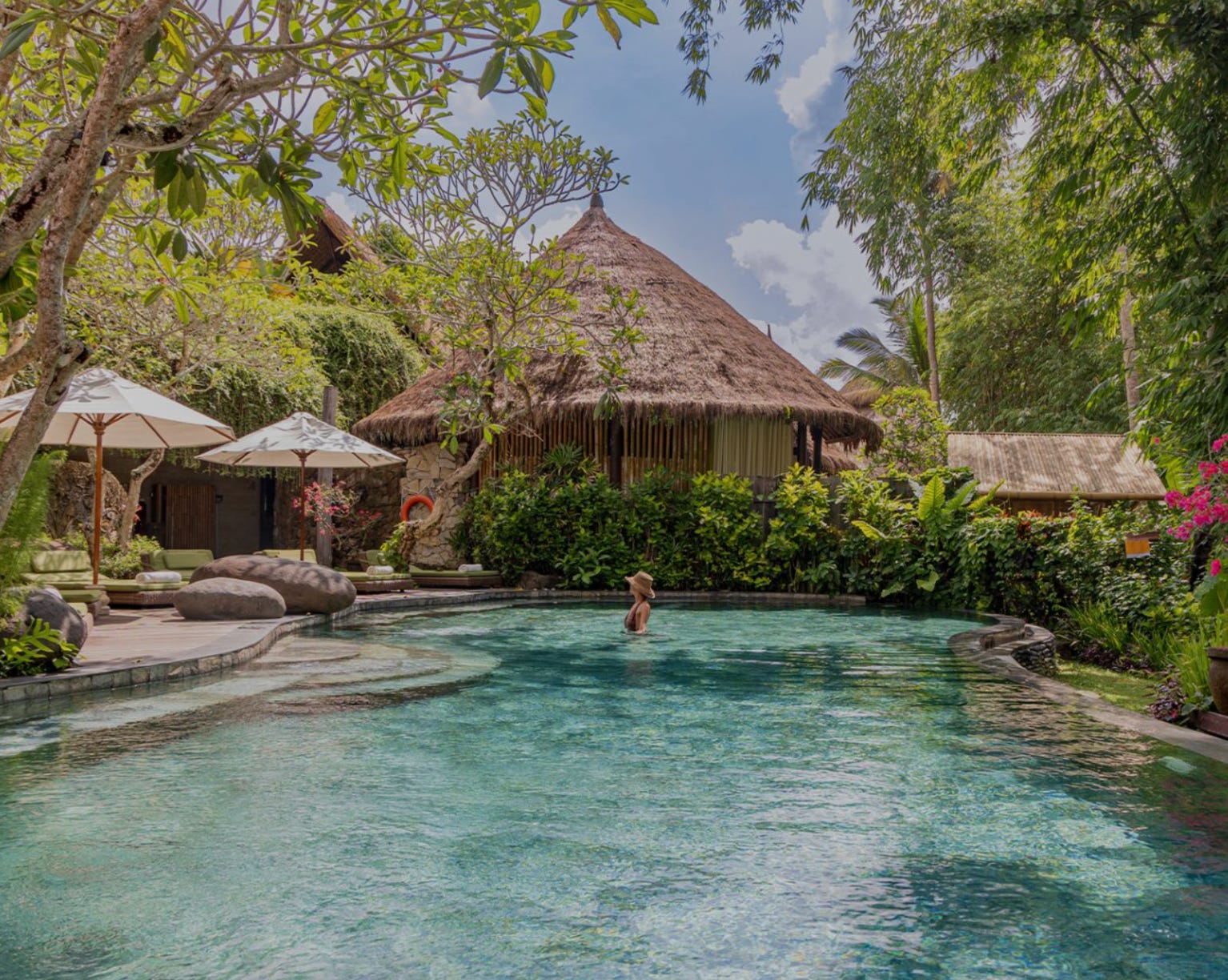
Fivelements has long been rooted in wellness, ritual, and place. What do you think it understood early that the wider hospitality industry is only now beginning to recognize?
Fivelements understood early on that wellness is what guests experience through how a place makes them feel. Long before wellness became mainstream, Fivelements recognised that healing is deeply connected to the environment, ritual, human connection and a sense of meaning.
What many in hospitality are only now beginning to realise is that wellbeing cannot sit on the sidelines as an amenity or a spa programme. It needs to be embedded into the DNA of the guest experience, from architecture, food, sleep, movement and emotional restoration to the quality of interactions people have with one another and with nature.
At GOCO Hospitality (the owning company of Fivelements), this philosophy resonates deeply with how we think about wellness destinations. The future belongs to places that support people in living better, longer and more meaningfully, while remaining authentic to their cultural context. Fivelements approaches wellness as a way of living inside a place, and that perspective feels increasingly relevant today.Wellness hospitality has expanded dramatically over the last decade. What do you think the industry still misunderstands about what people are actually seeking?
I believe the industry still underestimates how emotionally driven wellness really is. Too often, wellness is reduced to facilities, diagnostics, treatments, or an ever-growing menu of experiences. While these have value, people are ultimately seeking something much deeper.
Guests today are often overwhelmed, disconnected, stressed, or simply searching for a greater sense of balance and meaning. What they seek is restoration, vitality, clarity, emotional grounding and a feeling of being genuinely cared for. Increasingly, they are looking for experiences that improve not only how they feel during a stay, but how they live afterwards.
This is why wellness hospitality must evolve beyond transactional service toward transformation. Success is measured by whether a guest leaves feeling healthier, calmer, more connected and better equipped for everyday life.Many hospitality brands continue to add more experiences, programming, and personalization. Do you think luxury is shifting from abundance toward something else?
Absolutely. I believe luxury is moving away from abundance and excess toward relevance, intentionality and meaning. For many years, luxury hospitality was defined by scale, choice and visible opulence. Today, guests value time, privacy, calm, authenticity and experiences that feel personally meaningful. The most sophisticated form of luxury may simply be feeling better.
We are seeing a shift from accumulation to curation. Guests want what matters most to them. That may mean highly personalised wellbeing, restorative sleep, time in nature, meaningful human connection, or access to preventative health and longevity support.
In wellness hospitality in particular, luxury means personalised care, emotional intelligence, and the ability to help someone reconnect with themselves in an authentic way.You’ve worked across multiple cultures and markets. Are traveler expectations becoming more globally similar, or more emotionally specific?
In some ways, both. There are certainly global shifts shaping expectations. Travellers across markets increasingly value health, sustainability, personalisation, preventative wellbeing, flexibility and experiences. The desire to feel healthier, live longer, sleep better, reduce stress and find balance has become remarkably universal.
At the same time, expectations are becoming more emotionally specific and personal. Guests now want experiences that reflect their life stage, priorities, emotional needs and sense of identity. A high-performing executive managing burnout may seek something very different from someone navigating menopause, recovery, family stress or simply a desire for reconnection.
This means hospitality cannot rely on standardisation alone. The future lies in creating frameworks that are globally relevant but emotionally adaptable, allowing guests to feel genuinely seen and supported.In your view, what separates hospitality experiences that feel transformative from those that simply feel well-designed?
Design creates atmosphere, and transformation creates change. A beautifully designed hotel may impress guests, but transformation happens when people feel something shift within themselves. That often comes from intentional programming, thoughtful human interaction, a sense of emotional safety, and experiences designed around genuine outcomes rather than entertainment.
The most memorable hospitality experiences combine physical environment with purpose. They help people slow down, reconnect, reflect, restore energy, improve habits or gain new perspectives. At Fivelements, transformation is about creating the conditions in which guests naturally reconnect with what they need most.At Fivelements, wellness seems to be treated less as an amenity and more as a way of living inside a place. How do you think about that distinction?
This distinction is fundamental. An amenity is something you add. A way of living is something you experience throughout the entire environment.
At Fivelements, wellness is reflected in the rhythm of the day, the connection to nature, rituals, food philosophy, architecture, human interaction, movement, rest and the emotional quality of the experience itself.
We think of wellness hospitality as creating ecosystems for better living. The question becomes: how does every touchpoint contribute to helping someone feel healthier, calmer, more connected, more energised or more inspired? When wellness becomes part of a place’s culture, it moves from service to lifestyle.What shifts do you believe will most redefine hospitality over the next 5–10 years that the industry is still underestimating today?
The biggest shift is that hospitality will move from serving comfort toward supporting human performance, resilience and longevity. We are entering an era in which preventative health, diagnostics, longevity science, recovery, mental wellbeing, sleep optimisation, and emotional resilience will become much more integrated into travel and everyday living.
At the same time, I think the industry still underestimates the importance of regenerative thinking. Guests want experiences that feel restorative not only for themselves but for communities, culture and the environment around them.
Technology and AI will also transform hospitality, but I believe the winners will be those who use technology to create more human, not less human, experiences. Technology should enhance personalisation and free people to focus on empathy, care and meaningful connection.Is there a place, property, or experience that fundamentally changed how you think about hospitality?
Rather than a single property, I would say it has been the cumulative experience of working across hundreds of wellness and hospitality projects globally, combined with personal experiences that have shaped my understanding of health and wellbeing.
Having faced cancer myself, wellness became deeply personal. It reinforced my belief that hospitality plays a much greater role in supporting healthier, more meaningful lives. Hospitality is not simply about comfort, entertainment or escape. It can actively contribute to prevention, restoration, education and quality of life.
Places like Fivelements, Glen Ivy, and many wellness pioneers around the world continue to reinforce an important truth for me: great hospitality is ultimately about care. When people truly feel restored, supported and inspired, hospitality becomes far more meaningful than a stay.
Thanks for reading. Find more at Sojourn and follow along on LinkedIn.