


Welcome to Issue No. 055 of Sojourn.
A while ago, I wrote that I believe the next era of hospitality may begin when it turns inward, and wrote: ‘This is the era hospitality turns inward’.
A few months later, Accor published 'Luxury’s Inward Turn: From Flamboyance to Quiet, Depth and Meaning', framing the shift through privacy, discretion, stillness, and meaning.
By that inward observation, I didn’t mean hotels should become smaller or stop growing. I meant that instead of always looking for the next property, amenity or destination, hospitality brands might spend more time understanding what already makes them distinctive.
I thought about this again when I saw the new partnership between Aman and fashion designer Kim Jones.
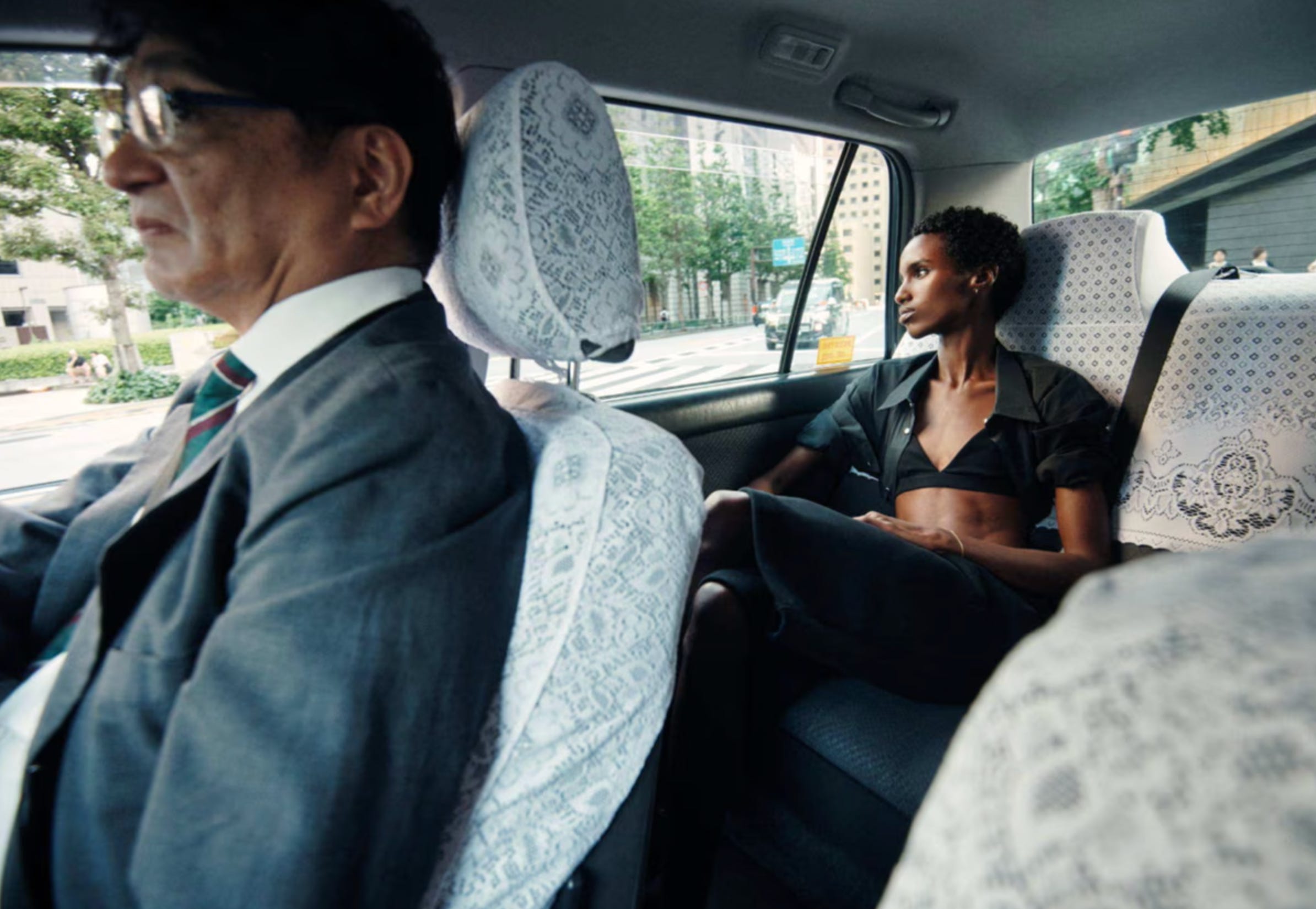
At first glance, it is another luxury hotel brand moving into retail, but I think there is something even more interesting behind it.
More than hotel merchandise
Aman x Kim Jones is Aman Essentials’ first major designer collaboration.
The collection includes clothing and accessories designed around movement, travel and the different environments found across Aman properties.
Kim Jones has stayed at more than 30 Aman destinations. Some of the collection’s colors came from the luggage tags he kept from those stays. The clothes were designed to move between different climates and settings, from cities and mountains to beaches and deserts.
That personal connection matters.
Jones was not brought in simply because he is a well-known designer. He already understood the Aman world as a guest.
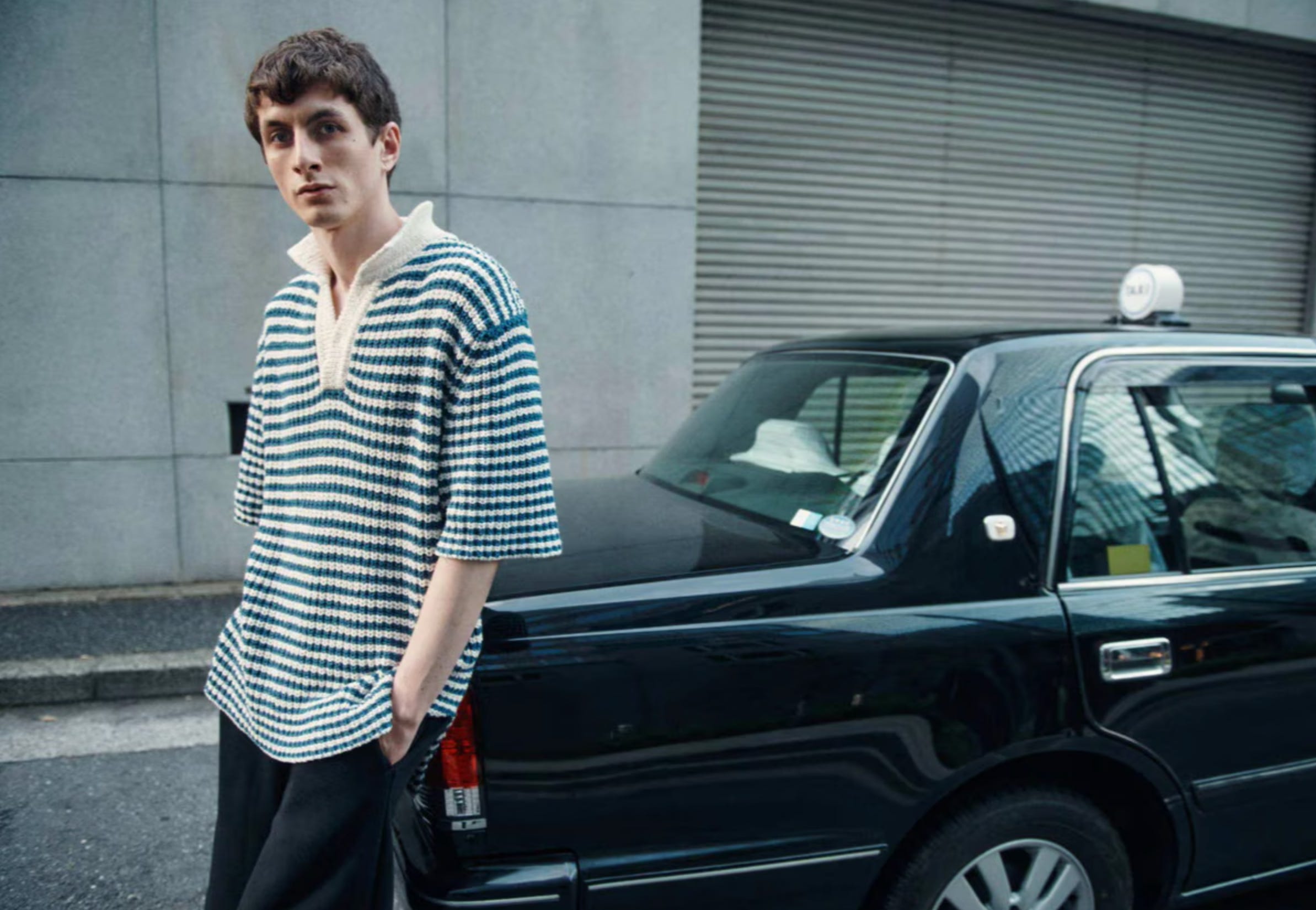
The partnership began with a shared point of view.
Identity came first
Aman has spent decades building a recognizable approach to hospitality.
Its properties may look different, but certain ideas return: privacy, space, nature, calm, architectural simplicity and service that rarely asks to be noticed.
People recognize something Aman before they see the name.
That is why the partnership makes sense.
The clothes do not need to copy an Aman hotel. They only need to feel like they belong in the same world.
This is an important distinction because retail alone does not turn a hotel into a lifestyle brand.
A candle, bathrobe or clothing collection cannot create an identity that the hotel itself has never made clear.
The identity has to come first.
The hotel may be where the relationship begins
Traditionally, our relationship with a hotel begins with a booking and ends after checkout.
But a brand like Aman can remain present between stays.
Someone might use its skincare, wear something from the collection or live with a piece from Aman Interiors. The hotel experience moves into everyday life.
That creates a longer relationship with the guest, but it only works when people want to remain connected to the world the brand has created.
So what does it say about culture when hospitality is no longer confined to hotels but feelings brands are trying to create?
When the product is not the beginning of that relationship but an extension of it?
This is why I do not think retail is necessarily the next era of hospitality:
Not every hotel should create a clothing line. Not every restaurant needs tableware for sale. And not every beautiful object found inside a property needs to become a product.
Retail is simply one direction a strong identity can take.
For another brand, the right extension might be a publication, a membership, a cultural program, a residence or a partnership with a local maker.
The question is not:
What else can we sell?
It is:
What else can this identity meaningfully become?
Below let’s explore:
1. From hotel loyalty to cultural affinity
2. A useful question for hospitality brands
3. Turning inward before moving outward
4. The Sojourn Standard (What did we notice, Why does it matter, What should the industry do differently)
